ADVERTISEMENT

The Cognitive Guard Protocol: A Science-Forward Approach to Protecting Your Mental Edge

Cognitive decline does not announce itself. By the time lapses become noticeable, years of subtle erosion may have already occurred. This evidence-based editorial examines a structured, neuroprotective protocol combining targeted habits with NeuroDyne supplementation to help guard your cognitive function proactively.

Sponsored editorial — not medical advice ~5 min read Updated:

Understanding Cognitive Decline: What You Can Do

Neural plasticity — the brain's capacity to reorganize and form new synaptic connections — does not cease with age, but it does decelerate. Research consistently demonstrates that proactive, evidence-based interventions can influence the trajectory of cognitive aging. The question is not whether decline is inevitable, but whether you are taking a deliberate, structured approach to guarding against it.

Most adults begin to notice subtle shifts in recall speed and attentional stamina during their late 30s and 40s. These are not pathological signs — they are normal neurobiological transitions. However, the gap between those who guard their cognition proactively and those who do not tends to widen with each passing decade.

A cognitive guard strategy rests on two principles: reducing nightly neural clutter through structured wind-down, and providing targeted nutritional support during waking hours. Neither alone is sufficient. Together, they form the basis of what we term the Cognitive Guard Method.

The goal is not to reverse aging. It is to build a defensible perimeter around the cognitive functions you rely on daily — working memory, sustained attention, and information recall.

Two Pillars of the Cognitive Guard Method

Pillar I: Evening Neural Wind-Down

  • Cognitive offloading: Externalizing unfinished tasks and lingering thoughts into a written format reduces prefrontal cortex load during sleep onset.
  • Sleep-onset consistency: A fixed 15-minute pre-sleep routine signals the hypothalamus to initiate circadian-aligned rest, supporting overnight memory consolidation.
  • Stimulus restriction: Limiting blue-light exposure and novel information intake in the final hour before sleep guards against cortisol-mediated interference.

Pillar II: Daytime Neuroprotective Supplementation

  • Targeted botanicals: Compounds such as Bacopa monnieri and Ginkgo biloba have been studied for their potential to support cerebral blood flow and acetylcholine signaling.
  • Amino acid support: L-Theanine promotes alpha-wave activity associated with calm, focused attention without sedation.
  • Metabolic cofactors: B-vitamin complexes serve as essential coenzymes in neurotransmitter synthesis and myelin maintenance.

Where NeuroDyne Enters the Equation

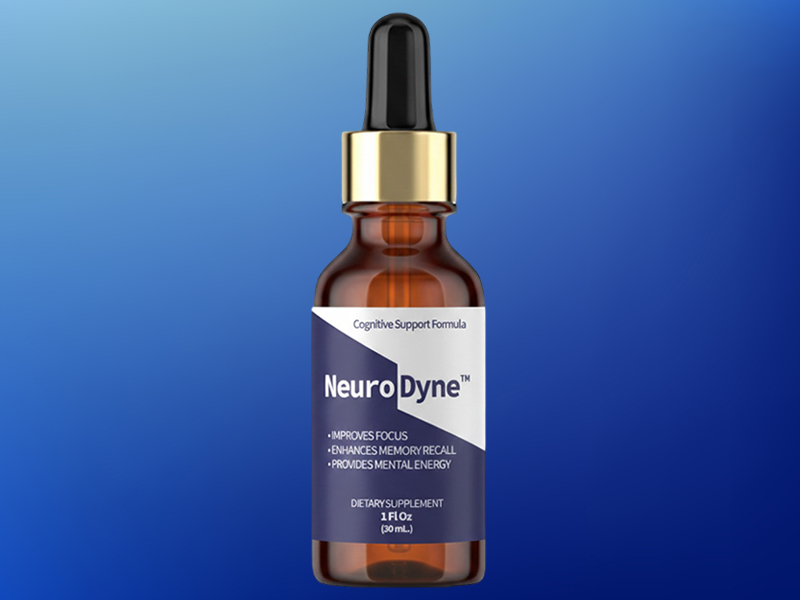
NeuroDyne is formulated as a daily dietary supplement for adults seeking neuroprotective support for memory, focus, and cognitive clarity. It is not positioned as a cure or treatment. Rather, it serves as the supplementation pillar within the Cognitive Guard framework — a consistent, daily input designed to complement structured behavioral habits.

The formulation targets multiple pathways simultaneously: cerebrovascular support through Ginkgo biloba, cholinergic modulation via Bacopa monnieri, and calm-focus enhancement through L-Theanine. This multi-vector approach reflects current understanding that cognitive guard requires addressing more than a single mechanism.

Clinical Framing: NeuroDyne contains compounds with peer-reviewed research behind them (referenced in the Scientific Substantiation section below). However, no supplement replaces adequate sleep, physical activity, or medical oversight. The Cognitive Guard Protocol uses NeuroDyne as one component within a multi-factorial, evidence-informed approach.
Guard Your Cognition with NeuroDyne View the Full Protocol

The Cognitive Guard Protocol

Follow these four ordered steps consistently for a minimum of 21 days before evaluating subjective cognitive changes. The protocol is designed to be low-friction and compatible with most daily schedules:

  1. NeuroDyne in the morning: Take NeuroDyne as directed on the label with your first meal. Morning administration aligns with the brain's peak cholinergic activity window, supporting daytime focus and recall. Consistency of timing matters more than the exact hour.
  2. Hydration + movement: Consume at least two glasses of water by midday and integrate 10–15 minutes of light movement (walking, stretching, or standing desk intervals). Cerebral perfusion is directly influenced by hydration status and physical activity — even modest amounts.
  3. Evening brain dump: Spend 3–5 minutes before your wind-down period writing down unresolved tasks, ideas, and next-day priorities. This cognitive offloading protocol has been shown to accelerate sleep onset and reduce pre-sleep rumination. Use a dedicated notebook or a single notes app — the medium matters less than the habit.
  4. Sleep consistency: Maintain a fixed sleep and wake time within a 30-minute variance window, including weekends. Circadian regularity is among the strongest predictors of sustained cognitive performance across clinical literature.
Protocol adherence is the differentiator. Sporadic implementation yields sporadic results. Guard your cognition through disciplined, daily repetition — not intensity, but consistency.

An Honest Assessment

Any credible cognitive guard strategy must acknowledge both its strengths and its boundaries. Below is our transparent evaluation:

Evidence-Based Strengths

  • Ingredients supported by peer-reviewed clinical trials on memory, attention, and processing speed.
  • Protocol is low-friction and integrates with existing daily routines without requiring significant lifestyle disruption.
  • Emphasizes behavioral fundamentals (sleep, hydration, movement) alongside supplementation — not as a replacement for them.
  • Transparent ingredient list with established botanical compounds and no proprietary blend obfuscation.
  • Multi-factorial approach addresses cognition from multiple angles rather than relying on a single mechanism.

Limitations to Acknowledge

  • Not a substitute for medical evaluation of cognitive symptoms or neurodegenerative conditions.
  • Individual neurochemistry, genetics, and health status vary; results are not guaranteed for any user.
  • Requires consistent adherence over multiple weeks to fairly evaluate subjective effects.
  • Supplement efficacy data often derives from small-sample, short-duration trials with moderate effect sizes.
  • Not evaluated by the FDA for therapeutic claims; classified as a dietary supplement, not a medication.

Questions & Answers

Does the Cognitive Guard Protocol guarantee cognitive improvement?

No. This is an informational, ad-supported editorial outlining a structured approach that may support cognitive wellness. No outcomes are guaranteed. Individual neurobiology, lifestyle, and health status all influence results.

Is NeuroDyne classified as a pharmaceutical or medical device?

No. NeuroDyne is a dietary supplement for adults. It is not intended to diagnose, treat, cure, or prevent any disease. It has not been evaluated by the FDA for therapeutic claims.

What is the minimum evaluation period for the protocol?

We recommend a minimum of 21 consecutive days of consistent protocol adherence before assessing subjective cognitive changes. Most clinical trials on the constituent compounds span 8–12 weeks.

Can I take NeuroDyne alongside prescription medications?

Consult your prescribing physician or pharmacist before combining any dietary supplement with prescription medications. This is particularly important for individuals on anticoagulants, antihypertensives, or neuropsychiatric medications.

Where is the official NeuroDyne checkout?

All "Guard Your Cognition" and "Start the Cognitive Guard Protocol" buttons on this page link directly to the official NeuroDyne checkout page. Tracking parameters are preserved automatically.

Is the Cognitive Guard Protocol suitable for all ages?

The protocol is designed for adults. If you are under 18, pregnant, nursing, or have a pre-existing medical condition, consult your healthcare provider before beginning any new supplement regimen or making significant changes to your routine.

What differentiates this from other cognitive health approaches?

The Cognitive Guard Protocol integrates behavioral science (structured wind-down, circadian consistency) with targeted botanical supplementation. It is not a single-product pitch — it is a structured, multi-pillar framework where NeuroDyne serves as the supplementation component within a broader evidence-informed system.

Sponsored

Guard Your Cognitive Future

The evidence is clear: proactive, structured neuroprotective habits outperform reactive approaches. Begin the Cognitive Guard Protocol today and give your brain the consistent, daily support it requires.

You will be directed to the official NeuroDyne checkout page upon clicking.

Start the Cognitive Guard Protocol

Your purchase may support this site at no additional cost to you.

Sponsored

Neuroprotective Support with NeuroDyne

Targeted cognitive support for memory, attention, and mental clarity. Review the formulation and ingredients below.

NeuroDyne — Cognitive guard supplement for memory and focus support
  • ✓ Formulated to support working memory and information retrieval.
  • ✓ Promotes sustained attention during cognitively demanding tasks.
  • ✓ Designed for daily use as part of a structured cognitive guard protocol.
  • ✓ Contains botanicals with documented neuroprotective research profiles.

Key Ingredients — Evidence-Based Compounds:

  • Ginkgo Biloba — Supports cerebral blood flow and antioxidant defense in neural tissue.
  • Bacopa Monnieri — Studied for improvements in working memory and cognitive processing speed.
  • L-Theanine — Promotes alpha-wave brain activity associated with alert, focused calm.
  • Panax Ginseng — Investigated for sustained cognitive performance and mental energy.
  • Vitamin B Complex — Essential coenzymes for neurotransmitter synthesis and neural metabolism.

Secure checkout on the official NeuroDyne page. Tracking parameters are preserved automatically.

Ad
NeuroDyne: daily neuroprotective support for memory, focus, and cognitive guard.
Start the Cognitive Guard Protocol
These statements have not been evaluated by the FDA. This product is not intended to diagnose, treat, cure, or prevent any disease.
THIS IS AN ADVERTISEMENT AND NOT AN ACTUAL NEWS ARTICLE, BLOG, OR CONSUMER PROTECTION UPDATE.

Scientific Substantiation & Disclosures — Memory & Cognitive Support

The cognitive support claims referenced on this page are grounded in peer-reviewed research on natural compounds studied for memory, attention, and processing speed. Below are direct citations including authors/institutions, study context, and publication year.

Claim alignment: We reference studies investigating the same compound classes present in the Cognitive Guard Protocol discussion (e.g., Bacopa monnieri, L-theanine, phosphatidylserine). Results vary by dose, duration, and population. This is informational content — not medical advice.

Minimum Criteria for Referenced Studies

Referenced Studies

Bacopa monnieri Improves Working Memory (Randomized, Double-Blind, 90 Days)

Authors/Institution: Stough et al. • Study Type: Clinical Trial • Year: 2008

Finding: Significant improvements in working memory accuracy compared to placebo after 90 days of supplementation.

Source: PubMed

Chronic Bacopa Extract and Cognitive Function in Healthy Adults

Authors/Institution: Stough et al. • Study Type: Clinical Trial • Year: 2001

Finding: Chronic Bacopa supplementation demonstrated improvements in cognitive performance in healthy adult subjects.

Source: PubMed

Standardized Bacopa Extract in Age-Associated Memory Impairment

Authors/Institution: Raghav et al. • Study Type: Clinical Trial • Year: 2006

Finding: Improvements in mental control, logical memory, and paired associative learning in subjects with AAMI after 12 weeks.

Source: NIH/PMC

L-Theanine + Caffeine: Attention and Cognitive Task Performance

Authors/Institution: Haskell et al. • Study Type: Clinical Trial • Year: 2008

Finding: The combination improved measures of attention and alertness during demanding cognitive tasks compared to caffeine alone.

Source: PubMed

L-Theanine + Caffeine: Attention Switching and Distraction Resistance

Authors/Institution: Owen et al. • Study Type: Clinical Trial • Year: 2008

Finding: Improved speed and accuracy in attention-switching tasks and reduced distractibility in memory assessments.

Source: PubMed

Phosphatidylserine in Age-Associated Memory Impairment (AAMI)

Authors/Institution: Crook et al., Neurology • Study Type: Clinical Trial • Year: 1991

Finding: 12-week supplementation (100mg 3x/day) demonstrated historically cited improvements in memory parameters in AAMI subjects.

Source: Neurology

Important Limitations: Many referenced trials are short-term with modest sample sizes; observed effects tend to be moderate and depend on population characteristics, dosage, and duration. This section is educational and does not substitute for medical advice. If you have existing health conditions or take medication, consult a qualified healthcare professional.
Marketing Disclosure: This page contains affiliate checkout links. NeuroDyne is a dietary supplement for adults and is not intended to diagnose, treat, cure, or prevent any disease.

© cognitivetoguardyou.com — All rights reserved.